 A
PENNSYLVANIA HOMECOMING
A
PENNSYLVANIA HOMECOMING
A
PENNSYLVANIA HOMECOMING
Songs by Dr. B.
(The Stories Behind The Songs)
Copyright c 1999
"A Pennsylvania Homecoming" is an album of songs dedicated to the heritage of the Keystone State, Pennsylvania. The album contains a total of 16 songs sandwiched between a prelude and reprise. The album runs in length for approximately 65 minutes and is available in C.D. or Cassette versions. It was released on January 1, 1999. Look for our on-line form on the main page to order your copy.
The album begins with an acappella prelude consisting of one verse of the ninth
recording on the album appropriately titled "Pennsylvania".
Hence, Pennsylvania is the theme song of the album.
After that brief introduction the album begins to take flight and opens with the first song titled, "The Black Hills Of Eastern PA". This song was written sometime during the late 70s. This is a melodic song with a touch of Celtic style. It takes you on a stroll through a yesteryear mining patch-town where most of the residents lived in company homes surrounded by coal dust and the ever-growing culm banks. The song assists each listener in visualizing the hopeless image that the miners and their family members faced each day of their lives with ever growing debt to the company stores and the unaffordable rent of mining company homes.
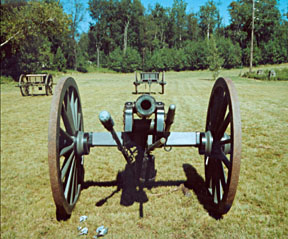 The second song on the album ("At Gettysburg, Gettysburg")
takes the listener to a much higher plateau very quickly and is quite profound in nature.
It is an attempt to capture the absolute horror both the Union and Confederate soldiers
faced in the bloodiest confrontation of the Civil War which was Picketts Charge on the
third and final da
The second song on the album ("At Gettysburg, Gettysburg")
takes the listener to a much higher plateau very quickly and is quite profound in nature.
It is an attempt to capture the absolute horror both the Union and Confederate soldiers
faced in the bloodiest confrontation of the Civil War which was Picketts Charge on the
third and final da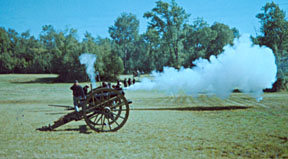 y of the battle of Gettysburg. This song was written in the Fall of 1995
at the angled stone which was considered the high water mark, or the furthest point north
that the Confederate Army penetrated the Union Army’s territory. The author tried to
capture in his song the vision he witnessed while standing in view of the high water mark.
It was a vision of absolute bloodshed and death with a flock of angels flying thirty feet
above the battle crying in anguish because they could not capture the souls fast enough.
This scene can be visualized when the listener concentrates on the instrumental chorus of
the song. It is there where one can feel the pain of both soldiers and angels and hear
their cries forever.
y of the battle of Gettysburg. This song was written in the Fall of 1995
at the angled stone which was considered the high water mark, or the furthest point north
that the Confederate Army penetrated the Union Army’s territory. The author tried to
capture in his song the vision he witnessed while standing in view of the high water mark.
It was a vision of absolute bloodshed and death with a flock of angels flying thirty feet
above the battle crying in anguish because they could not capture the souls fast enough.
This scene can be visualized when the listener concentrates on the instrumental chorus of
the song. It is there where one can feel the pain of both soldiers and angels and hear
their cries forever.
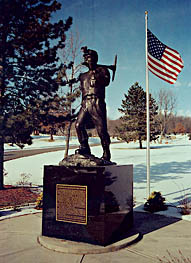 The third song on the album is simply titled "29 Years".
It is the first corner turn the listener takes after reaching a high plateau on this
approximate 65 minute musical journey. It is a song about a man who began his young life
working as a breaker boy in the mining towns of Wales. With the hope of a brighter future,
this young chap boarded a steamship to America. Upon his arrival, he found his dreams
diminished because the only job he could find was to work in the coal mines. The writer
emphasizes the frustration of this particular miner after 29 years of survival in the coal
fields. It was a hardship experienced by all of the employed laborers who worked in the
mining industry where the owners grew ever richer at the expense of slave labor. The song
was written in the early 80s.
The third song on the album is simply titled "29 Years".
It is the first corner turn the listener takes after reaching a high plateau on this
approximate 65 minute musical journey. It is a song about a man who began his young life
working as a breaker boy in the mining towns of Wales. With the hope of a brighter future,
this young chap boarded a steamship to America. Upon his arrival, he found his dreams
diminished because the only job he could find was to work in the coal mines. The writer
emphasizes the frustration of this particular miner after 29 years of survival in the coal
fields. It was a hardship experienced by all of the employed laborers who worked in the
mining industry where the owners grew ever richer at the expense of slave labor. The song
was written in the early 80s.
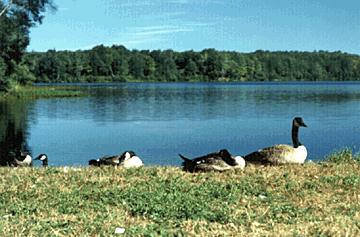
Song number four is a mellow tune about a beautiful but powerful river that runs clear
across the entire state of Pennsylvania from north to south coming to rest in the
Chesapeake Bay. The river of course is the mighty "Susquehanna".
The song was written during the Summer of 1984. The writer grants the listener a little
breather at this point into the album with a soft deliverance of the song. He further
describes the river’s beauty, charm, magnificent history, and her awesome power. To
gaze upon this body of water, one must do so with respect. She is a river that provides
for many but at times, shows her temper. After displays of rage, she soon grants reprieves
by giving up the ground that rightfully belongs to her. She is quite fine and I am proud
to know her. The Susquehanna River played a big part in Pennsylvania history that was made
and will continue to influence history in the making.
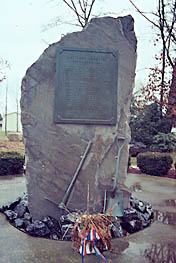
The next song, number five ("19 Dead and 36 Down"),
was written in 1996 and is a haunting expression dedicated to the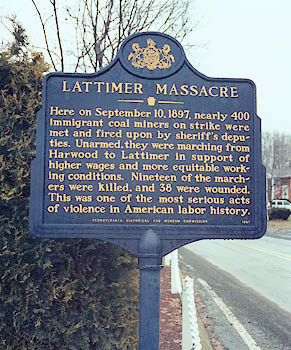 forever living memory of
an incident that occurred over 100 years ago in a small mining community called Lattimer,
Pennsylvania. Lattimer is located just north of Hazleton and before one enters this little
town he or she will be faced with a stone monument engraved with a description depicting
the massacre that occurred on that hallowed ground so many years ago. Approximately 400
miners organized a peaceful demonstration march in Harwood which is a little community
just south of Hazleton. The march occurred and once the miners reached Lattimer, they were
met by Sheriff Martin’s hired deputies who proceeded to open fire upon the unarmed
organized laborers killing 19 and wounding 36 others. It was a blood bath that will never
be forgotten but the march was not in vain. The march and massacre received national
attention and assisted in the labor unions coming into fruition.
forever living memory of
an incident that occurred over 100 years ago in a small mining community called Lattimer,
Pennsylvania. Lattimer is located just north of Hazleton and before one enters this little
town he or she will be faced with a stone monument engraved with a description depicting
the massacre that occurred on that hallowed ground so many years ago. Approximately 400
miners organized a peaceful demonstration march in Harwood which is a little community
just south of Hazleton. The march occurred and once the miners reached Lattimer, they were
met by Sheriff Martin’s hired deputies who proceeded to open fire upon the unarmed
organized laborers killing 19 and wounding 36 others. It was a blood bath that will never
be forgotten but the march was not in vain. The march and massacre received national
attention and assisted in the labor unions coming into fruition.
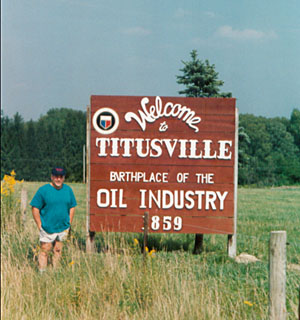
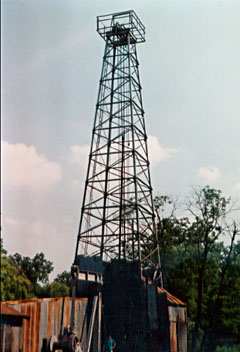 "We Struck Oil, We Struck Oil" is song number six
on the album and was written in 1983. This song is a mover. It is a fun tune dedicated to
those wildcats who by luck discovered oil in western Pennsylvania and drilled the first
oil well in the world near the community of Titusville. This discovery led to a tremendous
migration of get-rich-quick prospectors who helped build the oil industry in this country
and the entire world. Yes, the oil industry started right here in Pennsylvania and spawned
a new way to make poor people very rich over night. It was an exciting time that was
probably equal to the gold rush eras of California and Alaska. The arrangement of the song
fits the occasion filled with fun, excitement, adventure, and the gusto spirit of the
American pioneer who at that time did not fear, took the chance, and went for it all.
"We Struck Oil, We Struck Oil" is song number six
on the album and was written in 1983. This song is a mover. It is a fun tune dedicated to
those wildcats who by luck discovered oil in western Pennsylvania and drilled the first
oil well in the world near the community of Titusville. This discovery led to a tremendous
migration of get-rich-quick prospectors who helped build the oil industry in this country
and the entire world. Yes, the oil industry started right here in Pennsylvania and spawned
a new way to make poor people very rich over night. It was an exciting time that was
probably equal to the gold rush eras of California and Alaska. The arrangement of the song
fits the occasion filled with fun, excitement, adventure, and the gusto spirit of the
American pioneer who at that time did not fear, took the chance, and went for it all.
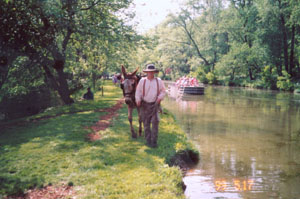 Song number seven is titled "Mule Driver" and was
written in 1988. It is about the individuals whose best friends at the time were probably
the mules they worked with each day. The mules were used to pull boats loaded with coal
through the Lehigh River and Delaware River canal systems. After passing through these
waterways, the coal eventually made its way to Philadelphia and other ports. Sometimes, if
there was room on the boats, people could find cheap passage or even free passage down
rivers. Many parts of those historic canals are still intact and are near the towns of Jim
Thorpe, Easton, and all the way south to New Hope, Pennsylvania. If you ever get the
chance, take the time to follow these waterways, especially during the month of October
when the foliage is in its height of glorious color. It will be a memory made for a
lifetime.
Song number seven is titled "Mule Driver" and was
written in 1988. It is about the individuals whose best friends at the time were probably
the mules they worked with each day. The mules were used to pull boats loaded with coal
through the Lehigh River and Delaware River canal systems. After passing through these
waterways, the coal eventually made its way to Philadelphia and other ports. Sometimes, if
there was room on the boats, people could find cheap passage or even free passage down
rivers. Many parts of those historic canals are still intact and are near the towns of Jim
Thorpe, Easton, and all the way south to New Hope, Pennsylvania. If you ever get the
chance, take the time to follow these waterways, especially during the month of October
when the foliage is in its height of glorious color. It will be a memory made for a
lifetime.
 Now let’s get serious. The eighth song on the album is simply titled "Pennsylvania".
This song is the theme song of the album and was written in 1995. The song was truly a
gift from a higher source that was granted less then twenty-four hours after being
requested. It came like a gust of warm wind. The song conveys messages of what
Pennsylvania is. Our state is the mother of America. Anthracite coal was discovered in
Pennsylvania and this find gave birth to the Industrial Revolution which till today, has
made America the most powerful country in the world. Then our state gave birth to the oil
industry, the steel industry, the railroad industry, and timber industry to mention a few.
Much blood was spilled on Pennsylvania soil during the American
Revolutionary War and the Civil War. Finally, her beauty is a splendor to behold. The
Allegheny Mountains are a haven to find peace. Mount Davis is our pearl and highest peak.
No other state has as many streams or waterways as Pennsylvania and her Delaware Water Gap
is a picture of complete natural beauty. Farming ranks as the biggest industry in
Pennsylvania and in Lancaster County one can find the deepest and richest top soil beds in
the entire world lying in valleys side by side. There one can also find a people called
the Amish who work that land in peace and harmony with God as their guide. Pennsylvania,
come see it for yourself. In the song Pennsylvania, I tried to do justice to our wonderful
state because as true as truth can be stated, America started in Pennsylvania.
Pennsylvania is a state that gave birth to a nation.
Now let’s get serious. The eighth song on the album is simply titled "Pennsylvania".
This song is the theme song of the album and was written in 1995. The song was truly a
gift from a higher source that was granted less then twenty-four hours after being
requested. It came like a gust of warm wind. The song conveys messages of what
Pennsylvania is. Our state is the mother of America. Anthracite coal was discovered in
Pennsylvania and this find gave birth to the Industrial Revolution which till today, has
made America the most powerful country in the world. Then our state gave birth to the oil
industry, the steel industry, the railroad industry, and timber industry to mention a few.
Much blood was spilled on Pennsylvania soil during the American
Revolutionary War and the Civil War. Finally, her beauty is a splendor to behold. The
Allegheny Mountains are a haven to find peace. Mount Davis is our pearl and highest peak.
No other state has as many streams or waterways as Pennsylvania and her Delaware Water Gap
is a picture of complete natural beauty. Farming ranks as the biggest industry in
Pennsylvania and in Lancaster County one can find the deepest and richest top soil beds in
the entire world lying in valleys side by side. There one can also find a people called
the Amish who work that land in peace and harmony with God as their guide. Pennsylvania,
come see it for yourself. In the song Pennsylvania, I tried to do justice to our wonderful
state because as true as truth can be stated, America started in Pennsylvania.
Pennsylvania is a state that gave birth to a nation.
The ninth song on the album is the longest tune with a running time of about
five-and-a-half minutes. It is a summary tune about my personal travels up to about 1983.
The song is titled "Take Me Back". I wrote the first
version of the song in 1977 while sitting on a beach in Hawaii watching the sun go down.
The Diamond-head volcanic crater was located just behind me. I had a pen with me and
searched a garbage pail for a piece of paper. I located a fast-food bag and began writing
the song. I thought about all of the places that I visited during my life up to that point
and when at each of them, I remembered thinking of home. In 1983, after visiting Mount
Saint Helens, I did a small rewrite and polished up the song. When I perform the song, I
recall wonderful memories of those places I visited but the long-term memories made in
Pennsylvania always brought me home. I love Pennsylvania without a doubt.
Song number ten was written after being out on the town with my two closest buddies on a cold late January night in 1982. When we were leaving the final honky-tonk for the evening and walking to our car, my one buddy made a funny comment about how cold it was and that our famous ground hog named "Punxsutawney Phil" would probably choose to stay in his den come February second rather than making his presence known at the yearly festival held on that day each year in Punxsutawney. Well, that comment was all it took to stimulate the writing of the song. When I arrived home approximately 2:30 A.M. I picked up my guitar and by 3 A.M. the song was completed. I then chuckled and fell asleep. The very next day I put it on tape and laughed some more in disbelief.
The eleventh song on the album holds a special place in my heart. The song is simply
titled "Alexander" and was written in 1996.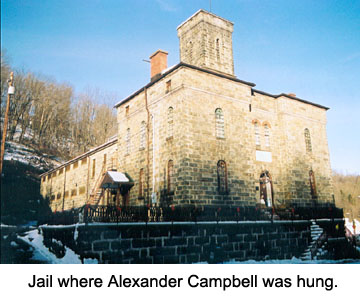 It is a
song about a man named Alexander Campbell. Alexander was an immigrant from Ireland who
settled in the southern Anthracite area of Pennsylvania. He began work as a miner but
later became a saloon keeper in the town of Tamaqua. He was accused of being a member of a
secret organization called the Molly McGuires and participating in a murder of a mining
official. He was initially found guilty and sentenced to be hanged in the Carbon County
jail. From the time of his arrest, he protested his innocence but nobody in authority
seemed to listen or care. It was a time when the mine owners wanted revenge on the Molly
McGuires and not justice. Before walking to the gallows, he placed his hand on the ceiling
of cell number seventeen and stated that his hand print would remain there for as long as
the jailhouse would stand. He was then escorted to the gallows and hanged. Since that day,
his hand print still remains even after several coats of plaster and paint have been
applied over it. At a later date, Alexander was proven to be innocent of that heinous
crime. I tried to place myself in Alexander’s shoes right before his life was ended
and to convey his feelings in the first person. I pray for him and that he is pleased with
the song. I said to a friend when we were working on the song that I wish Alexander would
give me a sign and further said jokingly before I briefly fell asleep while taking a
break, "Who knows, maybe he will give me a call and let me know what he feels."
Trust me, he left his second mark that I hope lasts forever. I am grateful. The mark can
be found on the album if one chooses to listen verses hear. God Bless and good luck with
your search. "I am innocent" he said.
It is a
song about a man named Alexander Campbell. Alexander was an immigrant from Ireland who
settled in the southern Anthracite area of Pennsylvania. He began work as a miner but
later became a saloon keeper in the town of Tamaqua. He was accused of being a member of a
secret organization called the Molly McGuires and participating in a murder of a mining
official. He was initially found guilty and sentenced to be hanged in the Carbon County
jail. From the time of his arrest, he protested his innocence but nobody in authority
seemed to listen or care. It was a time when the mine owners wanted revenge on the Molly
McGuires and not justice. Before walking to the gallows, he placed his hand on the ceiling
of cell number seventeen and stated that his hand print would remain there for as long as
the jailhouse would stand. He was then escorted to the gallows and hanged. Since that day,
his hand print still remains even after several coats of plaster and paint have been
applied over it. At a later date, Alexander was proven to be innocent of that heinous
crime. I tried to place myself in Alexander’s shoes right before his life was ended
and to convey his feelings in the first person. I pray for him and that he is pleased with
the song. I said to a friend when we were working on the song that I wish Alexander would
give me a sign and further said jokingly before I briefly fell asleep while taking a
break, "Who knows, maybe he will give me a call and let me know what he feels."
Trust me, he left his second mark that I hope lasts forever. I am grateful. The mark can
be found on the album if one chooses to listen verses hear. God Bless and good luck with
your search. "I am innocent" he said.
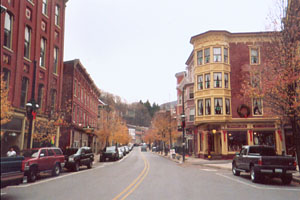 Song number twelve ("In Old Mauch Chunk") is about
a wonderful old town that was first named Mauch Chunk. The song was also written in 1996.
During the 1920’s through the 1940’s it was one of the most visited tourist and
vacation places in America. Mauch Chunk is located near the Lehigh River which became a
loading point for black gold or Anthracite Coal that was mined several miles west in the
Summit Hill and Panther Valley areas and then loaded on coal cars upon the Switchback
Railroad leading downward into Mauch Chunk. The famous Lehigh Coal and Navigation Company
headquarters were located there and Mauch Chunk’s picturesque beauty was a sight to
behold. The town is nestled between high and steep cliffs and at that time consisted of
fancy little restaurants, shops, churches, inns, canals, an opera house, and of course
railways to carry people to and fro. During the 1950’s, people began to travel to
other places and the town fell from glory but never lost its dignity or character. Local
government officials tried to rejuvenate the town with a publicity stunt by bringing the
body of the great Olympian Jim Thorpe to Mauch Chunk and burying him there to help draw
visitors and new residents to the delightful spot. The residents even renamed the town Jim
Thorpe in his honor. The incident was met with some success but the numbers of people like
those of the pre-World War II days never came back. Jim Thorpe is still a quaint little
place that offers much to its visitors. One only has to sit, look, hear, and feel the
wonderment of the past as it remains ever so present. Once that is experienced, you will
see how Old Mauch Chunk’s past is forever present and influencing our future in a
very good way. Jim Thorpe or Old Mauch Chunk is truly a peaceful place where people can
still come to dream.
Song number twelve ("In Old Mauch Chunk") is about
a wonderful old town that was first named Mauch Chunk. The song was also written in 1996.
During the 1920’s through the 1940’s it was one of the most visited tourist and
vacation places in America. Mauch Chunk is located near the Lehigh River which became a
loading point for black gold or Anthracite Coal that was mined several miles west in the
Summit Hill and Panther Valley areas and then loaded on coal cars upon the Switchback
Railroad leading downward into Mauch Chunk. The famous Lehigh Coal and Navigation Company
headquarters were located there and Mauch Chunk’s picturesque beauty was a sight to
behold. The town is nestled between high and steep cliffs and at that time consisted of
fancy little restaurants, shops, churches, inns, canals, an opera house, and of course
railways to carry people to and fro. During the 1950’s, people began to travel to
other places and the town fell from glory but never lost its dignity or character. Local
government officials tried to rejuvenate the town with a publicity stunt by bringing the
body of the great Olympian Jim Thorpe to Mauch Chunk and burying him there to help draw
visitors and new residents to the delightful spot. The residents even renamed the town Jim
Thorpe in his honor. The incident was met with some success but the numbers of people like
those of the pre-World War II days never came back. Jim Thorpe is still a quaint little
place that offers much to its visitors. One only has to sit, look, hear, and feel the
wonderment of the past as it remains ever so present. Once that is experienced, you will
see how Old Mauch Chunk’s past is forever present and influencing our future in a
very good way. Jim Thorpe or Old Mauch Chunk is truly a peaceful place where people can
still come to dream.
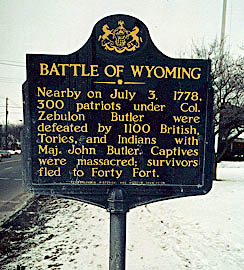 The next song, number thirteen on the album, is titled "Over
Bones Of The Slain (Rally On, Rally On)". The song was written in 1994
and is about the Wyoming Massacre. When visiting the high stone monument that rests upon
the graves of many patriots who fell during that battle, I touched the rod-iron fence
surrounding the monument. At that moment the song began to come on the wind. I heard shots
coming from a timed shotgun located in a corn field near the site which is used by farmers
to frighten birds and other animals away from their crops. It was a haunting
sound that reminded me of a battle taking place. I asked my girlfriend to copy the
soldiers names listed on the monument while I wrote down the thoughts and music that was
flowing faster than I could write. The battle was a horrifying experience leaving many
dead and a group between sixteen and twenty in number who were captured, severely
tortured, and later murdered by Queen Ester, head of the Indians who participated and
assisted the British troops involved in the b
The next song, number thirteen on the album, is titled "Over
Bones Of The Slain (Rally On, Rally On)". The song was written in 1994
and is about the Wyoming Massacre. When visiting the high stone monument that rests upon
the graves of many patriots who fell during that battle, I touched the rod-iron fence
surrounding the monument. At that moment the song began to come on the wind. I heard shots
coming from a timed shotgun located in a corn field near the site which is used by farmers
to frighten birds and other animals away from their crops. It was a haunting
sound that reminded me of a battle taking place. I asked my girlfriend to copy the
soldiers names listed on the monument while I wrote down the thoughts and music that was
flowing faster than I could write. The battle was a horrifying experience leaving many
dead and a group between sixteen and twenty in number who were captured, severely
tortured, and later murdered by Queen Ester, head of the Indians who participated and
assisted the British troops involved in the b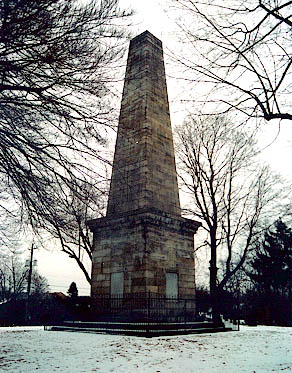 attle. Queen Ester, seeking revenge for the
death of her son who was killed in a battle that occurred several weeks prior, crushed the
skulls of the captured patriots with a tomahawk after having each of them kneel and place
their heads on a rock near the Susquehanna River. Her confused, sad, and suffering battle
cry can be heard in the background of the song. It truly was a time of confusion, death,
and blind bravery for many of the participants from all sides who took part in the battle
of Wyoming.
attle. Queen Ester, seeking revenge for the
death of her son who was killed in a battle that occurred several weeks prior, crushed the
skulls of the captured patriots with a tomahawk after having each of them kneel and place
their heads on a rock near the Susquehanna River. Her confused, sad, and suffering battle
cry can be heard in the background of the song. It truly was a time of confusion, death,
and blind bravery for many of the participants from all sides who took part in the battle
of Wyoming.
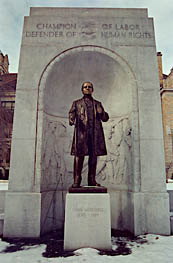 "I’m A Johnny Mitchell Man" is the fourteenth
song on this musical journey. The song was also written in 1994 to honor the memory of Mr.
Johnny Mitchell, the fifth president of the United Mine Workers Union. Johnny Mitchell
helped the approximately 150,000 striking miners receive better wages, benefits, and
working conditions that were due to the miners and their families but were a long time
coming. He captured the hearts of many and had the profound charisma of a true and caring
leader. He is one of the most respected individuals in Pennsylvania history whose courage
and will to sacrifice helped so many at a time of great need. He is considered a hero by
Pennsylvania residents and his name will be forever spoken and referred to in reverence.
"I’m A Johnny Mitchell Man" is the fourteenth
song on this musical journey. The song was also written in 1994 to honor the memory of Mr.
Johnny Mitchell, the fifth president of the United Mine Workers Union. Johnny Mitchell
helped the approximately 150,000 striking miners receive better wages, benefits, and
working conditions that were due to the miners and their families but were a long time
coming. He captured the hearts of many and had the profound charisma of a true and caring
leader. He is one of the most respected individuals in Pennsylvania history whose courage
and will to sacrifice helped so many at a time of great need. He is considered a hero by
Pennsylvania residents and his name will be forever spoken and referred to in reverence.
Song number fifteen is titled "The Hearth Of A Nation" and is about the city of Pittsburgh. The song was written in 1995 but was based on a memory made in 1976 when I spent one week of my life in Pittsburgh while training for a job in the mental health field. After a day of classes and lectures, a small group of trainees would set out about 4 P.M. each evening to explore the sites of Pittsburgh. We came upon a section of the city that had a number of old and beautiful mansions dating back to the time when the oil and steel industries were in their glory. While standing outside of the main gate of one particular mansion, I imagined how wonderful it must have been at that time and the kinds of parties they must have had in those magnificent homes. I dreamed of such a party where the women and men were all dressed up to the nines and dancing a beautiful waltz with violins playing. Combining that particular memory with the history I acquired about Pittsburgh, I wrote the song and of course, it was written as a beautiful waltz for a wonderful city.
Finally, song number sixteen ("There In Pennsylvania"), the last song on the album, was written in 1995 for the purpose of being the exit song on the album. Aware of the project evolving into a lengthy production, I asked God for a light and lively tune to tie up all the loose ends and one that would again reaffirm my honest feelings I have for my home state. I also asked that it be a song where the listener could picture me dancing away and out of the album. I believe the goal was accomplished and I am grateful for God’s gentle touch that he placed on the entire project from day one to its completion.
The reprise is simply the chorus from the theme song "Pennsylvania".
It begins in almost a prayer format, builds to a climax, then fades away. The intent was
spiritual in honor of all the forces from heaven that somehow made this album what it is.
The album was my first attempt in the studio and as a dear friend said to me recently when
I expressed my confusion as to how to market the album and the debt I was in, he simply
said, "Have faith my friend because God did not guide you this far in life to leave
you alone and stranded." I thank Stan for those words because my faith has been
reaffirmed and is in tack. Wherever this album may go, I pray that it is in God’s
hands and may his will be done.
God bless,
sincerely yours,
Dr. B.
|
The Four Seasons of Pennsylvania
|
|
FALL |
Parents |
WINTER |
|
SPRING |
SUMMER |
 |
Back to the Welcome Page |
 |
| All photographs by Adrian M. Bianconi, Ph.D. (Dr. B.) | ||
|
||